Things to Check Before Buying a New Construction Property
By Admin
Things to Check Before Buying a New Construction Property
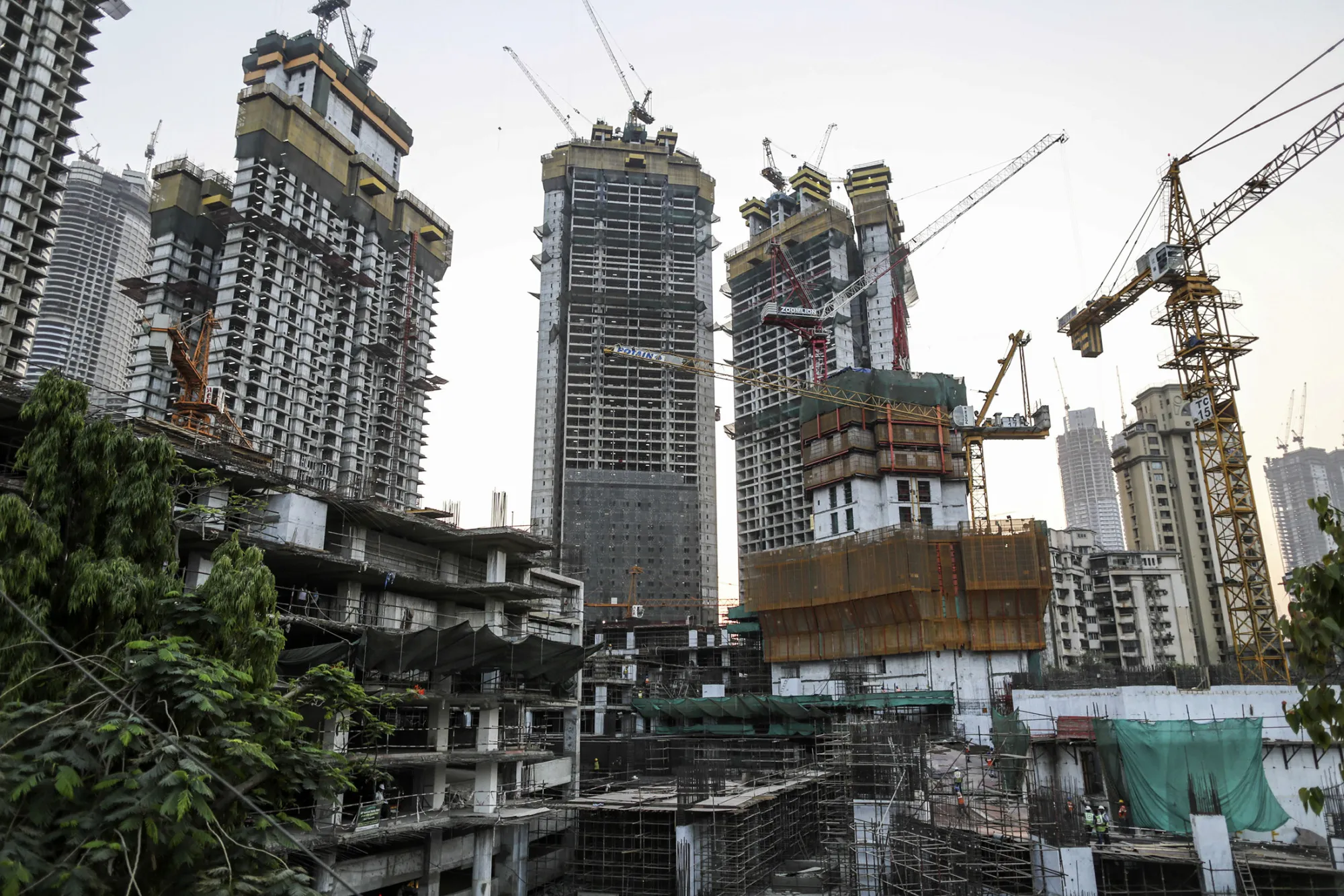
Buying a home is often the single largest financial decision of a lifetime. For many, the allure of an under-construction property is undeniable. It offers lower entry prices compared to ready-to-move-in units, the potential for significant capital appreciation as construction progresses, and flexible payment plans that ease the burden on your wallet. However, the path to possession can be fraught with uncertainties—construction delays, legal disputes, or unauthorized layout changes are nightmares no homebuyer wants to face.
The difference between a smart investment and a stuck project often lies in one word: Documentation.
At Sigma Homes, we believe that an informed buyer is an empowered buyer. While glossy brochures and model apartments are attractive, the true story of a project’s legality and viability is hidden in its paperwork. To protect your hard-earned money and ensure peace of mind, you must perform due diligence before signing on the dotted line. This guide details the non-negotiable documents you must verify and, more importantly, why they matter.
1. RERA Registration Certificate
What it is:
The Real Estate (Regulation and Development) Act, 2016, revolutionized the Indian property market. Every residential and commercial project exceeding 500 square meters or eight apartments must be registered with the state’s RERA authority. This certificate contains a unique registration number that tracks the project's progress.
Why you must check it:
Legal Mandate: A project without a RERA number is illegal to market or sell.
Accountability: It binds the builder to a specific delivery date. If they delay, they are liable to pay interest on your investment.
Transparency: The RERA website allows you to view the specific details of the project, including funds collected, utilization reports, and legal cases pending against the developer.
Reason: Checking this ensures you aren't investing in a "ghost" project. It guarantees that the layout plans you see are the ones approved by the government, preventing the builder from making unauthorized changes later.
2. Title Deed and Mother Deed
What it is:
The Title Deed is the primary legal document proving the builder’s ownership of the land. The Mother Deed traces the ownership history (chain of title) of the property, often going back 30 years or more.
Why you must check it:
Ownership Verification: It confirms that the builder actually owns the land or has a valid Joint Development Agreement (JDA) with the landowner.
Dispute Avoidance: A break in the chain of title could mean someone else might claim ownership of the land later, leading to long legal battles and stay orders on construction.
Reason: You cannot build a legal home on disputed land. Verifying the title ensures that the land is free from litigation and that the seller has the absolute right to sell the property to you.
3. Commencement Certificate (CC)
What it is:
Issued by the local municipal authorities (like BBMP, BMC, DTCP, etc.), the Commencement Certificate is the official green light to start construction. It is issued only after the builder has met all initial legal requirements, including setbacks, road widening checks, and zoning norms.
Why you must check it:
Legality of Construction: Any construction work done without a CC is considered illegal.
Demolition Risk: Authorities have the right to demolish structures built without a CC, leaving buyers with zero recourse.
Loan Processing: Most reputed banks will not sanction a home loan for a project that does not have a valid CC.
Reason: This document proves that the excavation and foundation work happening on-site is authorized by the city. Never pay a booking amount for a project that "expects" a CC soon; wait until they have it.
4. Sanctioned Building Plan and Layout Approval
What it is:
This is the blueprint of the project approved by the local planning authority. It details the number of floors, the number of units, open spaces, and amenities.
Why you must check it:
Floor Legality: Unscrupulous builders sometimes construct extra floors (e.g., building a 5th floor when only 4 were approved) or convert common areas into saleable shops. These illegal units are often sold to unsuspecting buyers who later face eviction or denial of Occupancy Certificates.
Deviation Checks: It ensures the swimming pool or park promised in the brochure is actually in the government-approved map, not just an artist's impression.
Reason: To ensure you are buying a legal unit. If your apartment is on a floor that wasn't in the sanctioned plan, it is an illegal property, and you will never get legal ownership of it.
5. Encumbrance Certificate (EC)
What it is:
The EC is a record of all financial transactions related to the land over a specific period (usually 13 to 30 years). It reveals if the property has been mortgaged or if there are any registered legal dues against it.
Why you must check it:
Debt Check: It confirms that the land is free from monetary and legal liabilities. If the builder has mortgaged the land to a bank for project funding, they must provide a "No Objection Certificate" (NOC) from that bank before selling a unit to you.
Reason: If you buy a property that is already pledged as security for a loan the builder took (and didn't repay), the bank can seize the entire project, including your home. A "Nil Encumbrance Certificate" is your proof of a clean slate.
6. Agreement for Sale
What it is:
While the Allotment Letter confirms your booking and payment schedule, the Agreement for Sale is the definitive legal contract executed on stamp paper. It outlines the terms of the transaction, the possession date, penalty clauses for delay, and specifications of the house.
Why you must check it:
Binding Terms: Once signed, this document governs your relationship with the builder.
Penalty Clauses: Ensure there is a clause where the builder agrees to pay a penalty if possession is delayed. (RERA mandates this, but ensure it's in the contract).
Carpet Area: RERA mandates that properties be sold on Carpet Area (usable area), not Super Built-up Area. Ensure the agreement explicitly states the carpet area to avoid paying for walls and air.
Reason: This document is your primary legal weapon in court. If the builder promises Italian marble verbally but writes "vitrified tiles" in the agreement, the agreement wins. Always read the fine print.
7. NOCs (No Objection Certificates)
What they are:
A builder requires clearance from various government departments before and during construction. Key NOCs include:
Fire Department: Mandatory for high-rises.
Pollution Control Board: Regarding sewage and waste management.
Aviation Authority: If the project is near an airport (height clearance).
Water & Electricity Boards: Confirmation of utility supply.
Why you must check them:
Habitability: A building might be constructed, but without water and electricity connections (which require NOCs), it is unlivable.
Safety: Fire NOCs are critical for your family's safety.
Reason: Missing NOCs are the most common reason for projects getting stalled at the final stage, leaving buyers with a finished apartment they cannot legally occupy.
8. Conversion Certificate (Land Use)
What it is:
If the project is built on land that was originally agricultural, a Conversion Order (DC Conversion) is required to change the land use from "Agricultural" to "Non-Agricultural" (Residential/Commercial).
Why you must check it:
Zoning Compliance: Building a residential complex on agricultural land without conversion is illegal and can lead to the project being scrapped by the government.
Reason: To ensure the land is legally cleared for residential development.
Conclusion: The Sigma Homes Promise
Buying an under-construction property is a journey of patience and trust. While the risks exist, they can be effectively managed by being vigilant with documentation. A reputable developer will never hesitate to show you these documents; in fact, they will display them proudly as a badge of transparency.
At Sigma Homes, we understand that you aren't just buying concrete walls; you are investing your future. That is why every property listed and recommended by us undergoes a stringent verification process. We check the fine print so you can focus on the big picture—your dream home.
Expert Tip: Never rely solely on photocopies. Always ask to verify the original documents or get them vetted by a property lawyer.
Are you looking for a RERA-approved, legally verified home? Visit sigmahomes.co.in today to explore projects that prioritize your safety and satisfaction.